







Search Results for: too much ice

Ice Cube Dosage and Coffee-to-Water-to-Ice Ratio Tips for Iced Pour-Over Coffee: Looking at the Difference Between Aged Ice and Young Ice from Front Street Experiments
When making iced pour-over coffee in summer, the most agonizing decision is often not which beans to choose, but exactly how much ice to throw in. Too little ice and the coffee turns lukewarm; too much and it becomes thin as water. A slight deviation in ratio and it's easy to mess up. This article focuses on the two core functions of ice in iced pour-over—cooling and dilution—breaks down the reasonable ratio range among coffee grounds, water, and ice, and shares a comparative experiment about old ice versus young ice. The experiment uses 15 grams of Emerald Estate Green Label Geisha with a Hario V60 dripper, revealing through actual testing how freezing time affects ice hardness and melting speed. If you also want to consistently make a cup of iced pour-over at home with moderate strength and lasting chill, the following content is worth reading to the end. [more…]
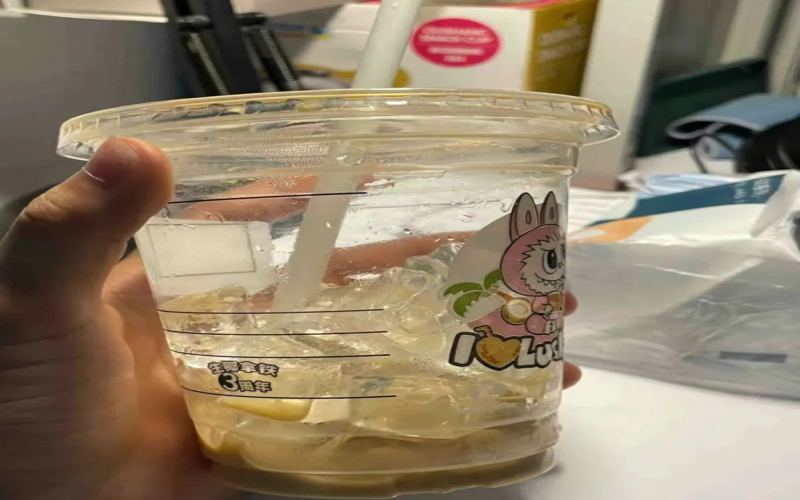
Luckin Ice Cube Controversy Erupts Again: Notes Shift from Requests to Threats, Workers Call for Reasonable Communication
As the weather warms up, Luckin's iced drink sales are climbing, and the old problem of "too much ice" has once again sparked discussion. Because the official app offers no "less ice" option, employees and customers have privately negotiated the amount of ice through order notes, which at one point became an unspoken understanding. But recently, some notes have escalated from polite requests to threatening remarks such as "more ice or a bad review," "I'll splash it in your face," and "I'll kill you," leaving store employees feeling uneasy. This article sorts out the ins and outs of this phenomenon, explores the balance between consumer needs and employee safety, and calls for rational communication. [more…]

Japanese Iced Coffee | Which coffee beans are suitable for Japanese iced coffee? What are the flavor characteristics of Japanese iced pour-over coffee? How do you make a delicious Japanese iced coffee?
For more specialty coffee knowledge, please follow our WeChat official account: Front Street Coffee (FrontStreet Coffee) Among the many countries around the world, if we're talking about a craftsman-like dedication to coffee, Japan definitely ranks at the top. Front Street knows that Japan has always had a long [more…]

Iced Americano Mixing Guide: The Golden Ratio of Espresso to Iced Water and Practical Tips
Iced Americano is a classic drink for cooling down and refreshing yourself in summer. It seems like a simple mix of espresso, water, and ice, but in reality, there is a science to the ratios. Drawing on Front Street Coffee's experience, this article provides a detailed analysis of water-dilution schemes for coffee beans of different roast levels, explores how ice melting speed affects flavor, and offers a set of practical mixing techniques that require no complicated calculations. Whether you prefer a rich or a light taste, you can find an iced Americano method that suits you, making every cup just right. [more…]

A Complete Guide to Making Americano: Espresso Base, Water Temperature, and the Ratio of Ice Water, Plus How It Differs from Moka Pot Coffee
Want to make a satisfying cup of Americano at home, but always find it hard to replicate the taste from the café? In fact, everyone's equipment, beans, and taste preferences are different. Rather than copying parameters directly, it's better to learn to adjust flexibly according to your own conditions. Starting from Front Street's practical experience, this article will systematically explain the three keys to making a delicious Americano: the selection and extraction of the espresso base, the adjustment of coffee strength (including the ratio for hot Americano and iced Americano, and water temperature control), and the effect of the amount of crema on the mouthfeel. At the same time, it will also answer the essential difference between Americano and moka pot coffee, helping you find the cup that suits you best. [more…]

How Much Ice Makes an Authentic Iced Americano? A Deep Dive into the Secret Behind Coffee Shop Ice That Resists Melting
When drinking iced coffee, have you ever agonized over how much ice to add and how to add it properly? In fact, ice in iced coffee is far more than just a way to cool things down—it also plays multiple roles, such as locking in aroma, maintaining a low temperature, and balancing concentration. Starting from the principles behind how ice works, this article breaks down in detail the differences between solid ice and hollow ice, the advantages of refrozen ice, and, for different categories such as iced Americano, iced latte, iced pour-over, and cold brew and ice drip, provides specific ice-to-coffee ratios and Front Street brand recommendations to help you make a cup of iced coffee at home that isn't watered down and has plenty of aroma. [more…]

How Long Can an Iced Latte Be Stored? A Full Breakdown of the Standard Latte Ratio and Preparation Details
Iced latte may seem like a simple three-step process—add ice, pour milk, pour coffee—but making a truly delicious iced latte involves much more than meets the eye, from selecting ingredients and getting the ratios right to mastering the operational details. This article will explore three key aspects: choosing coffee beans and milk, pairing milk-to-coffee ratios, and the critical details in the production process, helping coffee enthusiasts understand the flavor control logic behind iced latte. It will also answer a common question: how long can an iced latte be kept after it's made? Using Front Street Coffee's Sunflower Warm Sun blend and Vitasoy fresh milk as examples, the article provides specific parameter references and explains how the espresso extraction state affects the entire drink, making it suitable for those looking to elevate their iced latte-making skills. [more…]
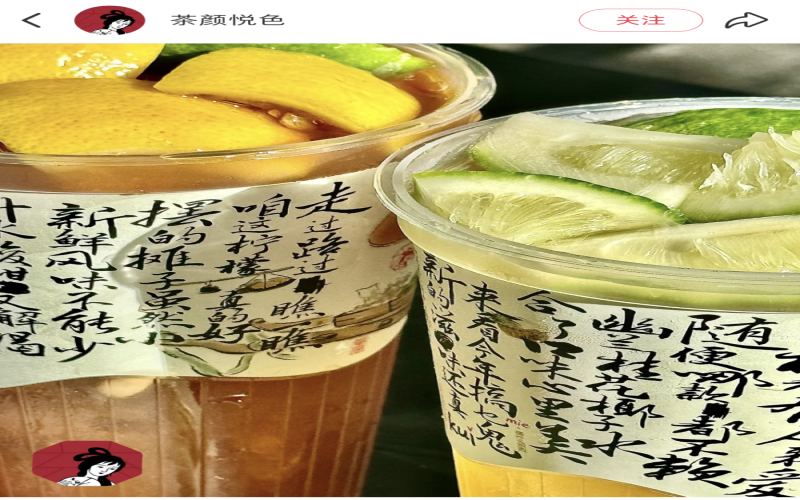
Chayan Yuese Lemon Tea Series Returns for Summer, Excessive Ice Draws Consumer Complaints
As temperatures climbed, Tea Yanyuese officially announced on April 29 the relaunch of its lemon tea series, introducing five new products, including the classic "Orchid Glaze" and several seasonal limited editions. However, Changsha was absent from this launch because its Good Lemon brand already covers the lemon tea category, disappointing longtime fans. After the new products hit the market, complaints about "too much ice" on social platforms quickly overshadowed discussions about taste. Many consumers reported that a cup of the drink was gone after just a few sips, and that after removing the ice, the portion was less than half. The official side had explained that lemon tea cannot be made with less ice or no ice because the ice is used to suppress astringency, but consumers still felt that nearly 20 yuan bought them little more than a cup of ice. This article will provide a detailed account of the incident and the reactions from all sides. [more…]

Luckin Coffee's ice controversy sparks debate: after removing ice, the cup is half empty, bringing the issue of ice proportions in chain beverages to the surface
Recently, Luckin Coffee made it onto Weibo's trending topics because its iced drinks contained too much ice and the cup volume decreased noticeably after removing the ice, triggering widespread consumer concern about the proportion of ice in chain coffee and milk tea shops. Many netizens posted comparison photos showing that after removing the ice, only half a cup of the drink remained, with some even joking about "looking for the latte in the ice." Luckin officially responded that its drinks are made according to a standardized recipe and that it will strengthen store training. At the same time, other brands such as Starbucks were also accused of a similar phenomenon. This article sorts out the course of the incident, netizen feedback, and official responses, and also includes professional exchange information from Front Street Coffee. [more…]

Japanese Iced Coffee Brewing Guide: Iced Americano vs Cold Brew, Iced Pour-Over Recipe, and Whether You Can Order It Without Ice
Japanese coffee culture has long been renowned for its artisan spirit, with a preference for rich, full-bodied medium-dark roast flavors—Blue Mountain and Mandheling being typical examples. In the heat of summer, iced coffee is naturally indispensable. This article focuses on Japanese-style iced coffee, introducing the advantages of its quick preparation, its differences from cold brew and iced Americano, and providing complete parameters for iced pour-over using beans such as Front Street Yirgacheffe—including dose, ice ratio, water temperature and grind size, blooming, and staged pouring techniques. It also addresses the question of whether cold brew iced coffee can be served without ice, and reminds readers of the impact of low temperature on flavor perception, helping coffee enthusiasts make a refreshing, bright cup of iced coffee in summer. [more…]

American Coffee Ratio | How much water is needed to make a good cup of American coffee? What is the suitable ratio of espresso, water, and ice for iced American coffee?
Many friends make themselves an Americano when they get up in the morning! This is both because of the "effect" that an Americano provides and because it is very simple to make: just extract a shot of espresso, then add a certain amount of water and stir well, and a cup of Americano that both refreshes you and reduces swelling is ready. [more…]

Step-by-step Guide to Making Iced Latte: A Full Breakdown from Bean Selection and Milk Choice to Ratio Control and Technique Tips
An iced latte may seem like it only takes three steps to make: add ice, pour milk, add coffee. But to truly make a delicious iced latte, there are quite a few details to consider behind the scenes. From choosing coffee beans and milk, to the ratio between espresso, milk, and ice, to the rhythm of operations during extraction and assembly, every step directly affects the final flavor performance. This article uses Front Street Coffee's iced latte preparation as an example to sort out three key aspects—material selection, milk-to-coffee ratio, and operational details—to help coffee enthusiasts consistently reproduce a balanced, layered iced latte at home. [more…]
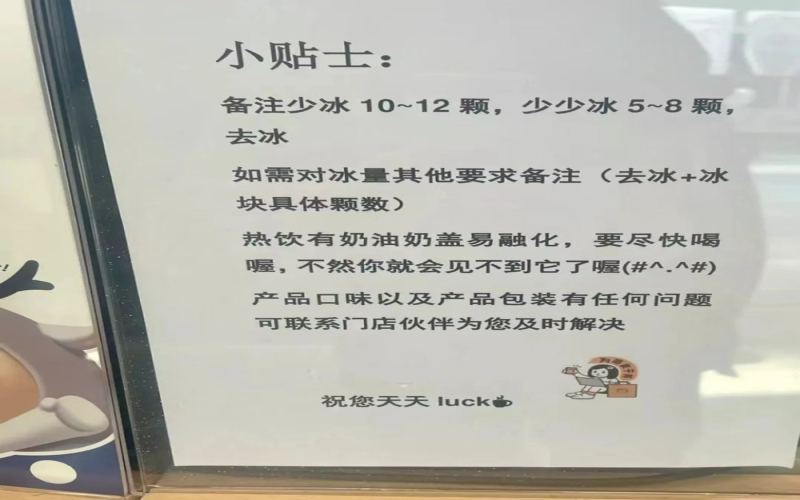
Luckin's ice-amount controversy keeps simmering: office workers pushed to the brink of breakdown by notes telling them to "count the ice cubes"
Luckin's cold drinks do not offer a "no ice" option, and the problem of excessive ice has repeatedly trended on social media. To get a drink that suits their taste, consumers have begun to "report" the exact number of ice cubes in the remarks section, and even make various demands about the shape and temperature of the ice, leaving store employees utterly exhausted. From "less ice, 10–12 cubes" to "two little heart-shaped ice cubes," and even "no ice but with a frosty feel," these bizarre remarks not only reflect consumers' obsession with ice levels but also push Luckin's workers into a dilemma where "whatever they do is wrong." This article compiles a large number of real order remarks, presenting this tug-of-war over ice cubes. [more…]

Luckin baristas collectively complain: behind the Xiaohongshu ordering guides are ice counts, no-sugar-no-milk requests, and bizarre notes
Recently, Luckin's iced drinks have been under continuous scrutiny due to issues of too much ice and shrinking portions after removing ice. Many consumers have started sharing "high cost-performance ordering strategies" on platforms like Xiaohongshu, from specifying the amount of ice to requesting less milk and less sugar, no sugar and no milk, and even asking for cilantro in their lattes. These seemingly meticulous notes have left café baristas complaining bitterly: counting ice cubes slows down service, removing flavored syrups ruins the taste, and requests to remove ice from frappuccinos are even more absurd. This article compiles genuine complaints from frontline baristas and also reminds consumers that seemingly troublesome requests aimed at brands often end up pressuring frontline workers. [more…]
How to Make a Delicious Iced Latte: A Complete Guide from Coffee Bean Selection and Coffee-to-Milk Ratios to Brewing Details
Iced latte coffee looks like it only takes three steps to complete: add ice, pour milk, pour coffee. But to make a truly delicious iced latte, there are many considerations from material selection to operational details. This article will unfold from three dimensions: First, how to choose suitable coffee beans and milk; Front Street Coffee's specialty blend, dark cocoa blend, classic blend, commercial blend, and strawberry candy espresso each have different flavor expressions; Second, how to pair the milk-coffee ratio reasonably, using 35g espresso, 250ml fresh milk, and 75g ice cubes as a reference; Third, what easily overlooked details exist in the operation, including espresso extraction quality and the impact of production speed on layering and mouthfeel. [more…]
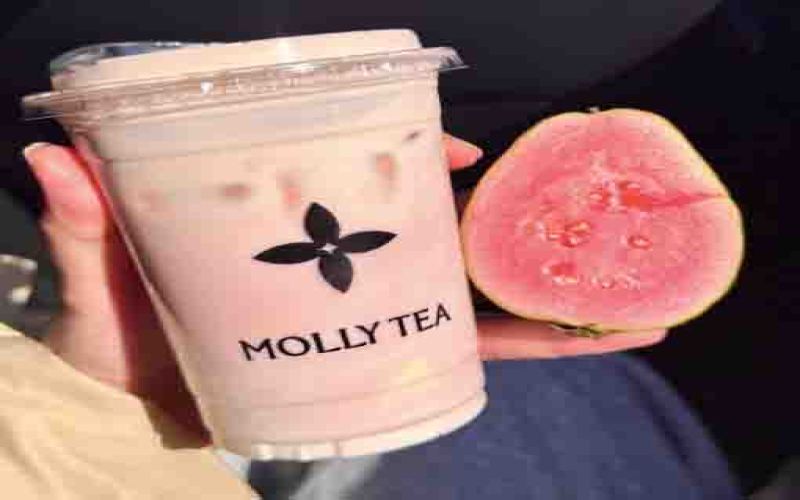
Jasmine Milk White Guava new drink criticized for astonishing amount of ice: the "less ice" option is practically useless, with ice filling half the cup.
Molly Tea recently launched its seasonal limited-edition "Exotic Guava Series," and the two new drinks—"Jasmine Cream Guava" and "Jasmine Guava Milk Skin"—quickly attracted a large number of consumers eager to try them, thanks to the pretty pink appeal of red-fleshed guava. However, not long after they hit the shelves, feedback flooding social platforms unexpectedly converged on one focal point—too much ice. Many customers found that even when they chose "less ice," the drink shrank by more than half after the ice was scooped out; some even fished thirty-five ice cubes out of a single less-ice drink. What exactly is going on here? And what secrets lie behind the ice standards at tea beverage shops? As an observer deeply engaged in coffee and beverage culture, Front Street Coffee is also paying attention to this phenomenon. [more…]

A Guide to Making Creative Plum Cream Latte Coffee: Required Ingredients and Two Special Recipes Explained in Detail
Having grown accustomed to regular lattes, sometimes you want to try something new without it being too strange. Front Street recently learned a preserved plum cream latte—the process isn't complicated, but the flavor is quite outstanding. Preserved plum itself combines sour, sweet, and salty notes, and when paired with cream and espresso, the proportions of the three need to be carefully balanced: too much preserved plum will overpower the drink, too much cream easily becomes cloying, and coffee that's too strong will suppress the aroma of the preserved plum. This article will break down the entire approach to this specialty drink, from making the preserved plum syrup and controlling the amount of cream to selecting espresso beans, as well as two preparation methods: the assembly method and the ice-shake method. [more…]

Starbucks changes its ice cube shape: smaller, crispier, and easier to eat; official statement says it upgrades the mouthfeel and makes ice production more water-saving and eco-friendly.
Starbucks recently announced that it will change the type of ice used in its cold drinks. The new ice is smaller and crunchier, and the official explanation is mainly to cater to the growing number of consumers who have a habit of eating ice. However, this decision has also sparked polarized reactions: some are cheering that they can finally chew ice to their heart's content, while others worry that the ice will melt too quickly and dilute the flavor of the drinks. Notably, Starbucks had previously been criticized for charging extra for water-free/ice-free drinks, and now whether changing the ice is effectively reducing the amount of ice has also become a focus of discussion. This article will sort out the ins and outs of Starbucks' ice change, the official response, and netizen feedback, while also bringing coffee lovers relevant news about Front Street Coffee. [more…]

How much coffee powder should be used for iced pour-over? What exactly is the core difference between it and hot pour-over?
Many coffee shops price iced pour-over higher than hot pour-over, and the reason behind this is not that it is more laborious to make, but that it requires more coffee grounds. So why must iced pour-over use more grounds? And how exactly should the dose be adjusted? This article starts with the differences in parameters between hot and iced pour-over shared by Front Street Coffee, explaining the principle that iced pour-over reduces the amount of water poured and increases concentration to offset dilution from ice, while also explaining the flexible changes in the coffee-to-water ratio under different ice melting speeds, as well as the practical impact of adding more grounds on liquid volume and mouthfeel. At the end, it also includes buying considerations for iced pour-over coffee beans and Front Street Coffee's specific bean list recommendations, for friends who want to try it themselves. [more…]
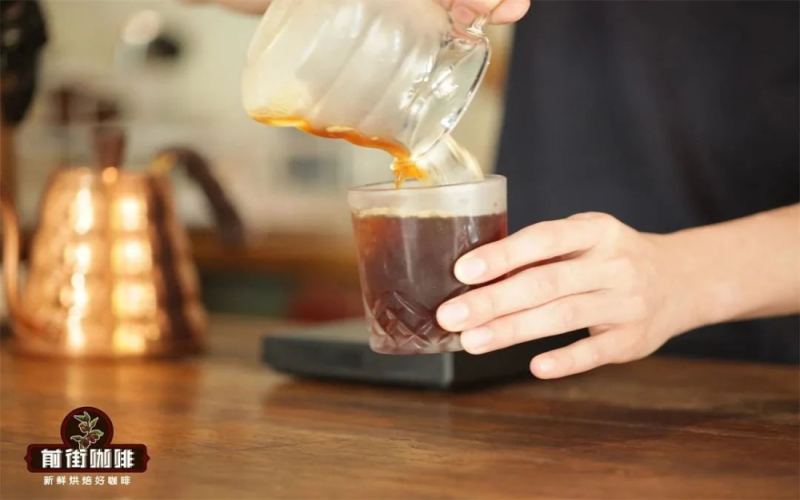
Iced Pour-Over Coffee Parameters Explained: A Complete Guide to Coffee-Water-Ice Ratios, Grind Adjustment, and Pouring Rhythm
The biggest difference between iced pour-over and regular hot pour-over is the introduction of ice as a variable. Ice does not participate in the extraction, so it is necessary to rebalance the grind size, coffee-to-water ratio, and pouring technique. Through brewing practice with multiple beans, Front Street Coffee has summarized an easy-to-control approach of a 1:10–1:12 coffee-to-water ratio and a 1:5 coffee-to-ice ratio. Taking 15 grams of coffee as an example, that means 150 grams of water and 75 grams of ice. The grind size needs to be adjusted finer to compensate for the shortened extraction time. When pouring, reduce the flow rate and increase the number of pours, keeping the total time between 1 minute 40 seconds and 1 minute 50 seconds. In terms of bean selection, light-to-medium roasted flavor-focused coffees better showcase the refreshing quality of iced brewing, while dark-roasted beans tend to produce a thinner mouthfeel and reduced balance. [more…]